

Permeable Pavers in the San Francisco Bay Area
Create a durable paved surface designed to manage water more effectively. Boomerang installs permeable pavers for residential driveways, patios, walkways and other outdoor areas throughout the Bay Area.
A Hardscape Surface That Lets Water Move Through
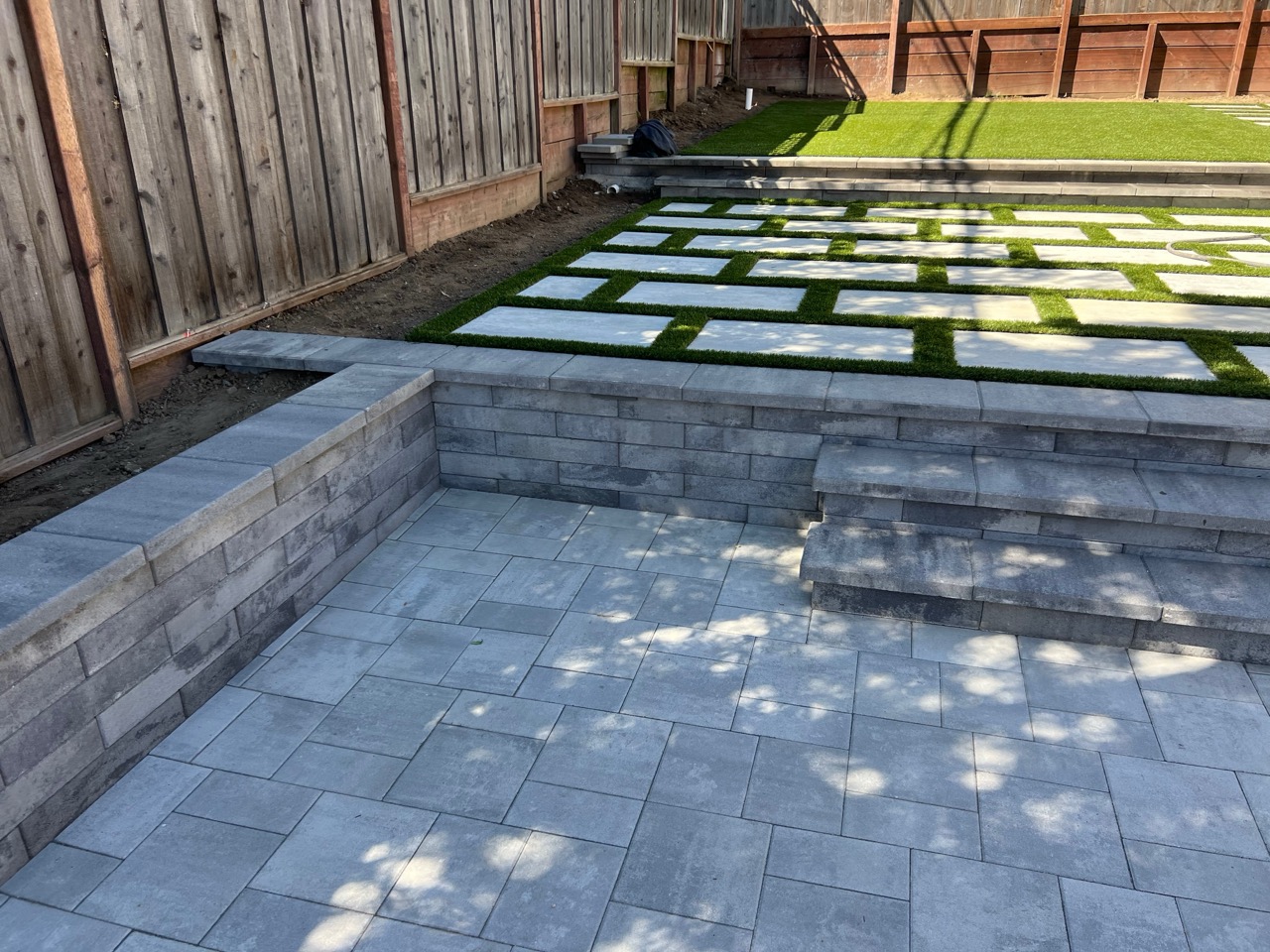
Permeable pavers combine the finished appearance of traditional paving with a system designed to allow water to pass through the joints. Beneath the surface, layers of open-graded aggregate provide structural support while creating space for water to move through the pavement.
For suitable properties, permeable paver installation can help reduce surface runoff while creating a clean, durable surface for driveways, patios, walkways and other frequently used outdoor areas.

Permeable Paver Installation Starts Below the Surface
A permeable paving system depends on much more than the pavers you see when the project is finished. We pay careful attention to site conditions, excavation, aggregate layers, grading and joint material so every part of the installation works together.
Site Evaluation
We consider the existing grade, drainage patterns, intended use and surrounding surfaces before determining how the system should be installed.
Open-Graded Base Preparation
The aggregate layers beneath the pavers are prepared to provide structural support while maintaining spaces that allow water to move through the system.
Permeable Joint Installation
Proper joint material helps maintain the spaces between pavers that allow water to enter the pavement instead of simply flowing across the surface.

Permeable Pavers That Fit the Look of Your Property
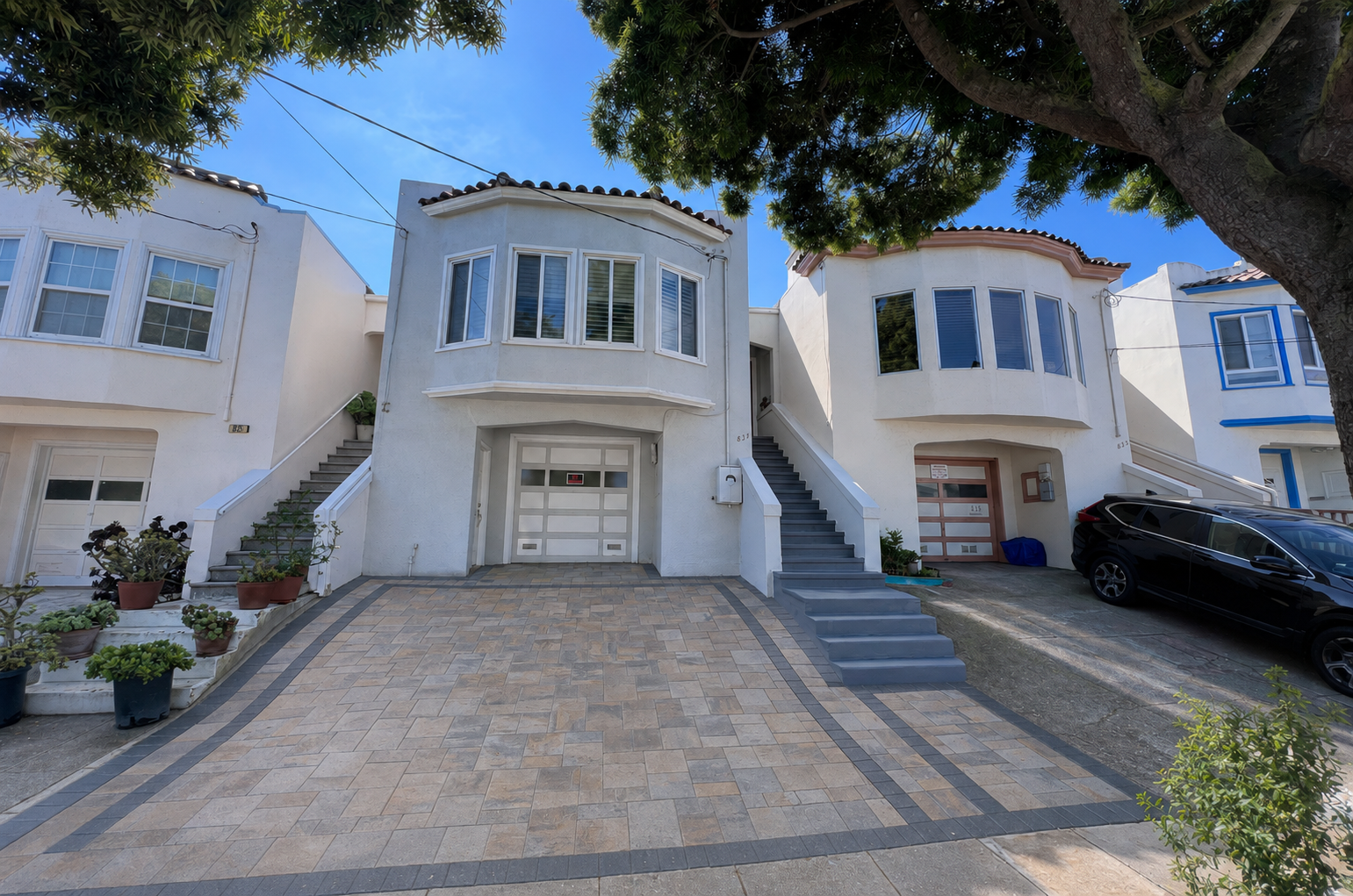
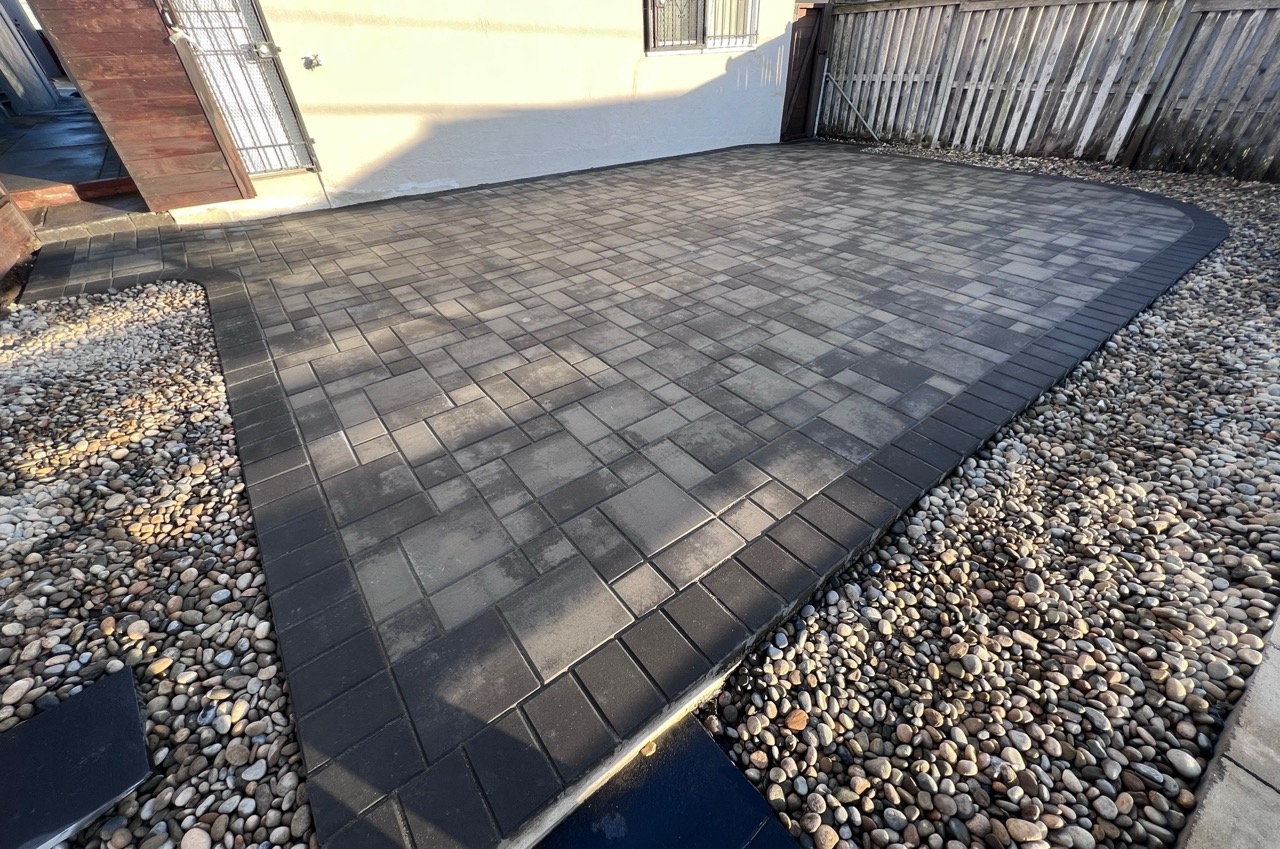
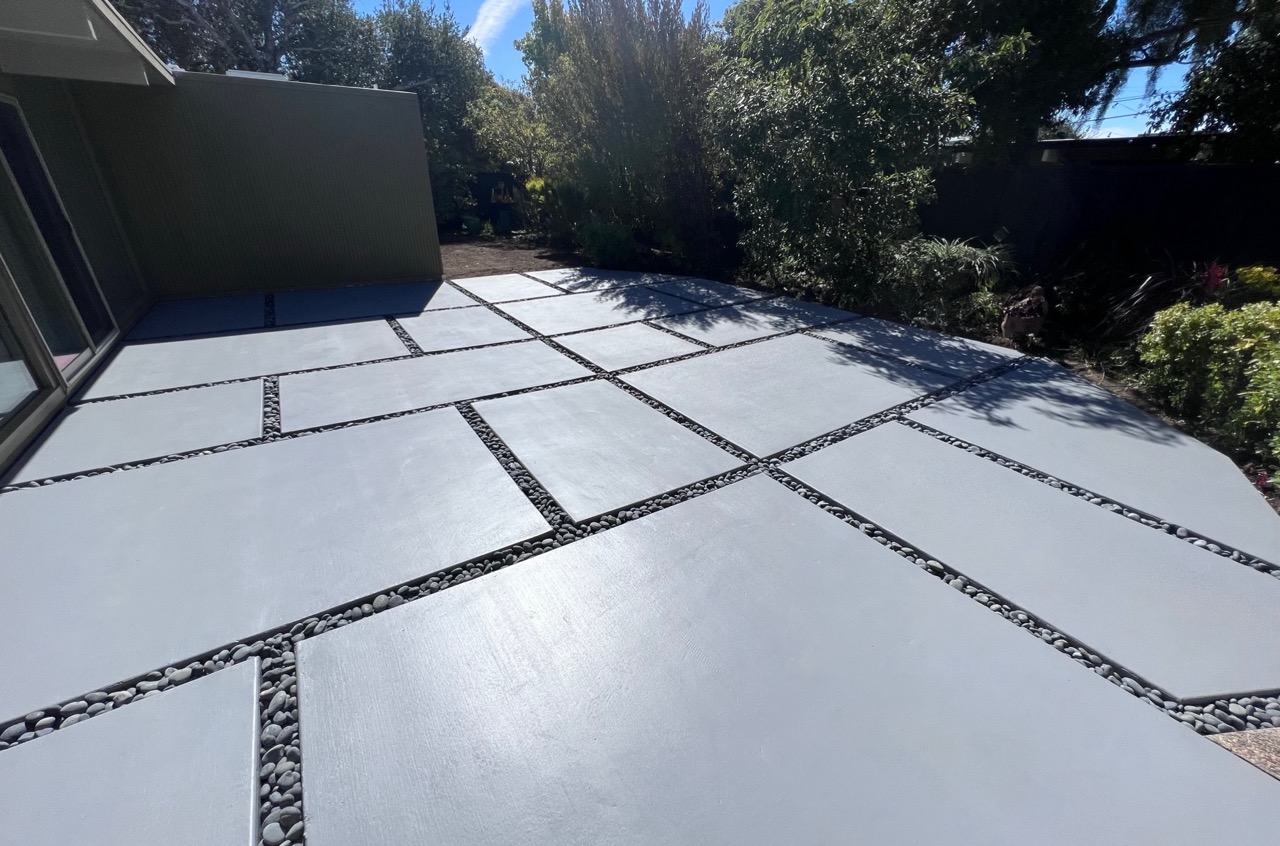
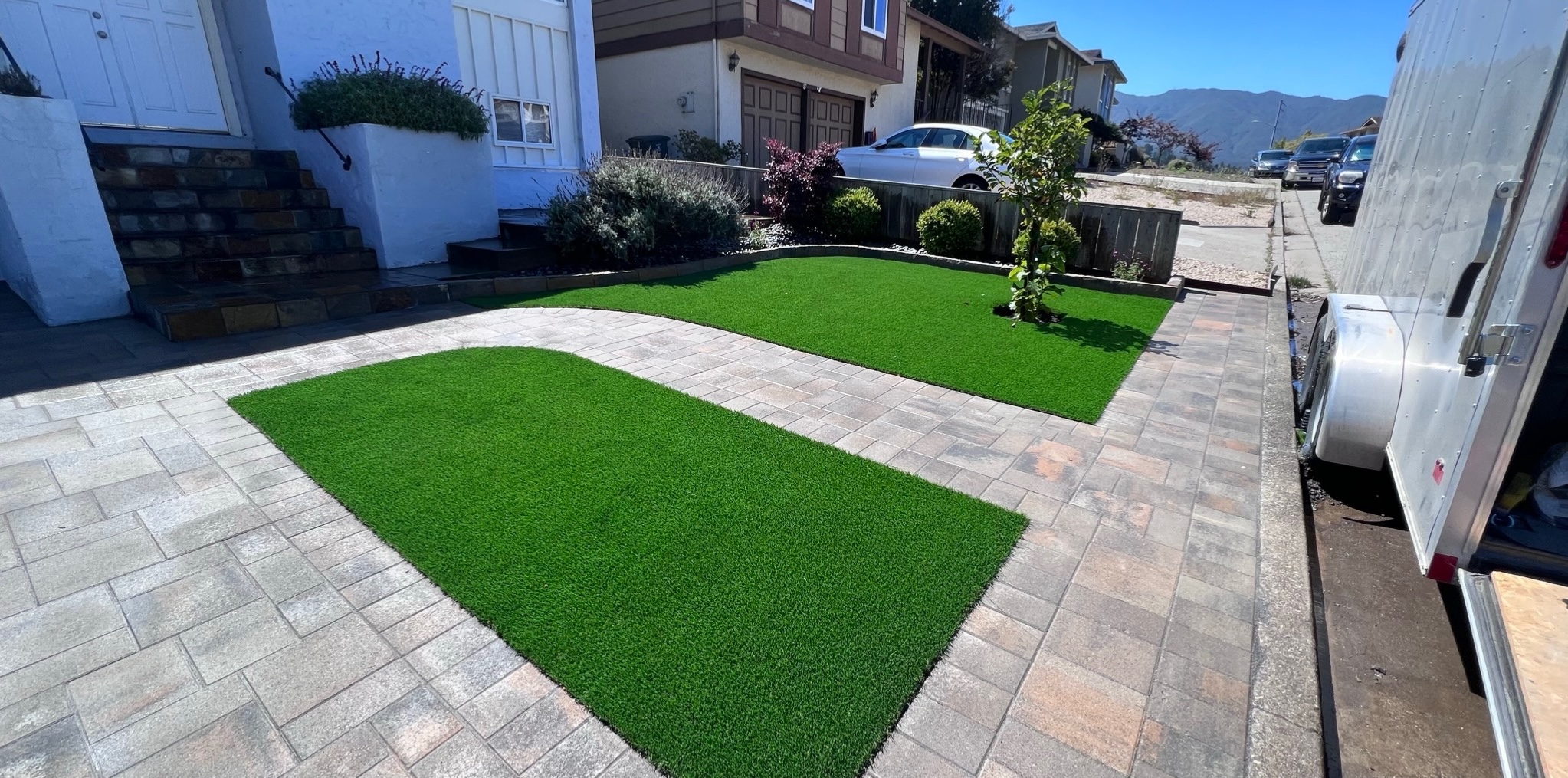
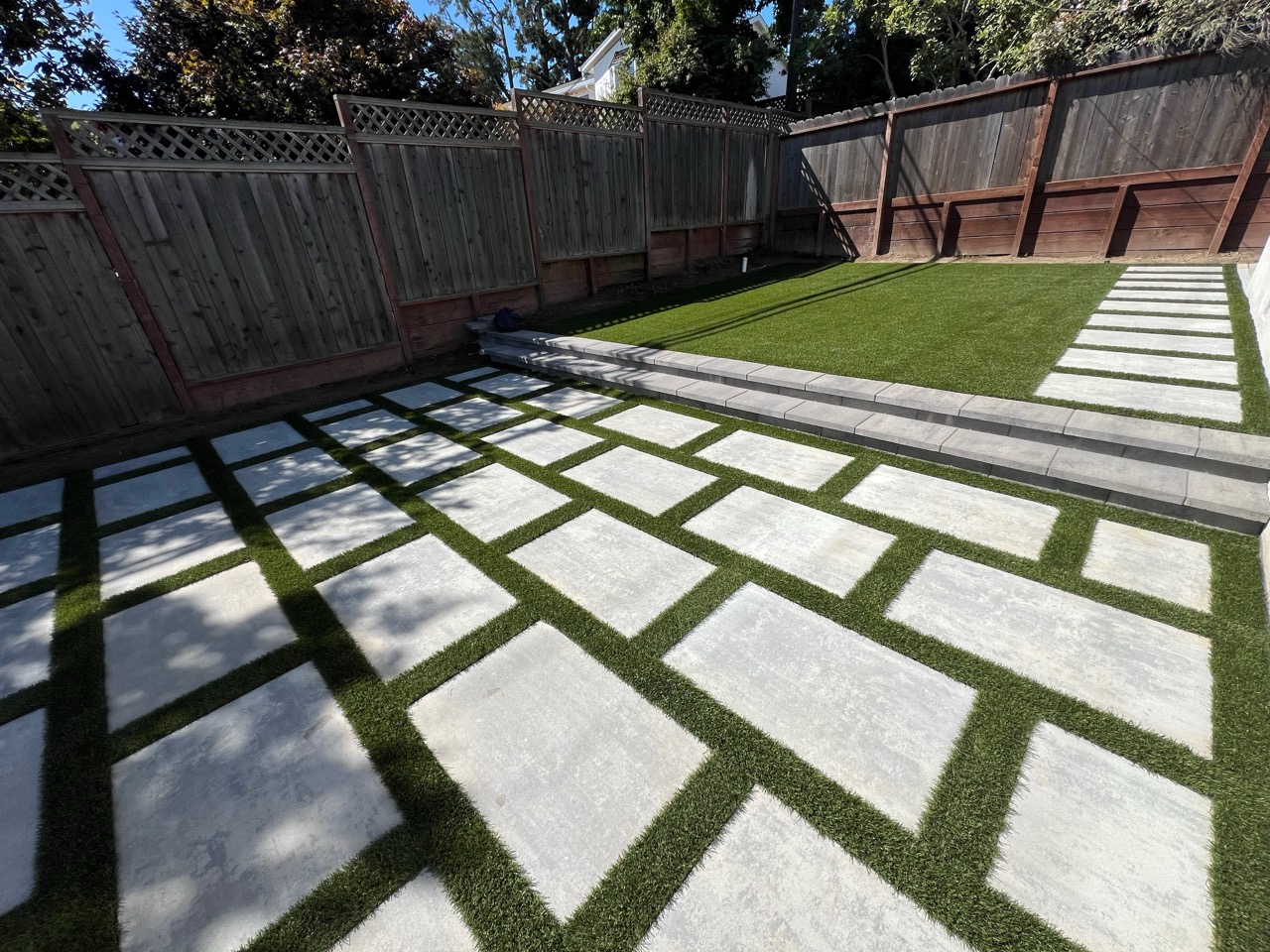
Choosing a permeable system doesn't mean settling for a purely functional appearance. Permeable pavers are available in different colors, shapes, textures and patterns, making it possible to create a surface that works naturally with your home's architecture and surrounding landscape.
Whether you're updating a driveway, creating a new patio or connecting outdoor areas with walkways, we can help you choose a layout that balances drainage performance with a clean, intentional finished design.
Permeable Paver & Hardscape Projects We’ve Completed
Explore completed paver projects from homes throughout the Bay Area. From driveways and walkways to patios and larger outdoor transformations, our work highlights the careful preparation, material selection and craftsmanship behind every finished surface.
Our Process
FROM FIRST CONVERSATION TO FINISHED OUTDOOR SPACE
A collaborative four-step process keeps your goals, design, materials, and installation aligned from the beginning.
1
Consultation
Share your ideas, project needs, budget, and priorities for the property.
2
Design & Planning
Refine the layout, materials, outdoor features, and overall project scope.
3
Preparation & Installation
The crew prepares the project area and completes the installation with attention to detail.
4
Final Walkthrough
Review the completed work together and discuss any final project details.
Common Questions About Permeable Pavers
Find answers to common questions homeowners have when considering permeable pavers for a driveway, patio, walkway or other outdoor surface.
Permeable pavers are installed with water-permeable joints over an open-graded aggregate base, allowing water to move through the paved surface rather than only running across it.
Yes. Permeable paver installation can be used for residential driveways when the system is properly prepared for the site conditions, drainage needs and expected vehicle use.
Traditional paver systems typically use tighter joints and a denser base. Permeable systems use open joints and specially prepared aggregate layers designed to allow water to pass downward through the pavement.
They can help reduce surface runoff by allowing water to move through the paved area. The overall performance depends on factors such as grading, soil conditions and the drainage requirements of the property.
Yes. Keeping the joints relatively free of sediment and debris helps preserve permeability over time. Maintenance needs depend on the surrounding landscape, traffic and site conditions.